
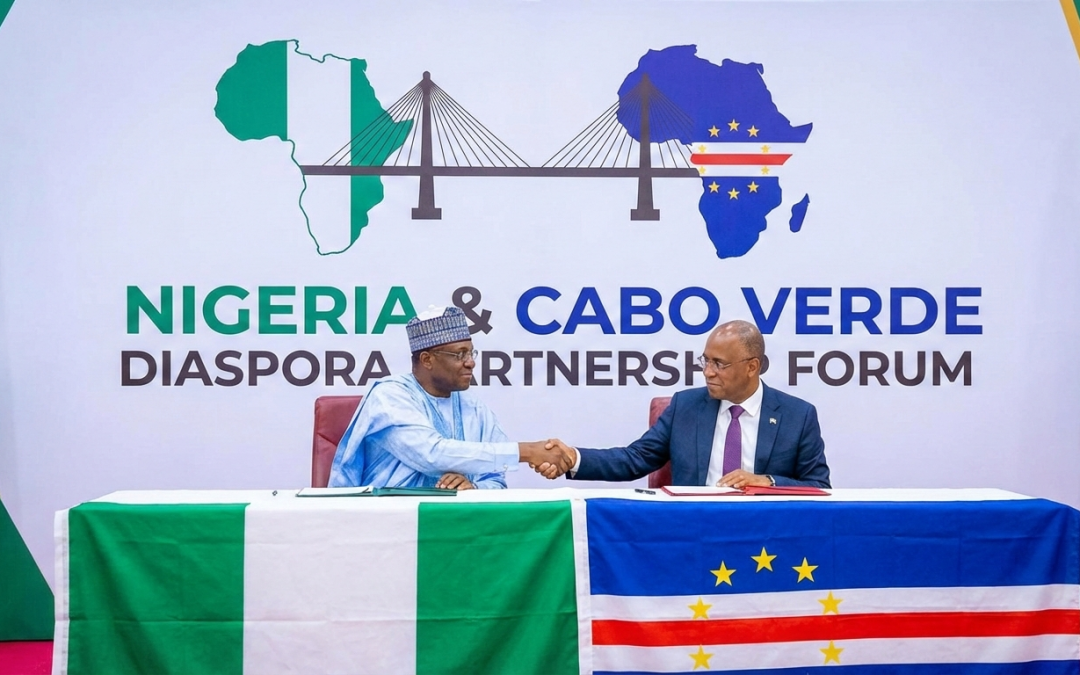
Building Bridges: Nigeria and Cape Verde Team Up on Diaspora Strategy
In a significant move for global African diaspora engagement, Nigeria and Cape Verde are joining forces. The recent high-level meeting between Nigeria’s Diaspora Commission (NIDCOM) and Cape Verde’s Ambassador has set the stage for a powerful exchange of knowledge and strategy.
The core of the partnership? Shared learning. Nigeria, with one of the world’s largest and most dynamic diaspora populations, brings vast experience in formalizing engagement through institutions like NIDCOM. Cape Verde, a nation where diaspora contributions are a colossal part of the GDP, offers profound insights into leveraging remittances and fostering sustainable economic links. This collaboration is about optimizing the “brain gain” and channeling diaspora resources for national development.
For the Nigerian diaspora community in Cape Verde, this formal agreement is a potential game-changer. It promises stronger consular support, a more structured platform for their contributions, and recognition as a key bridge between the two nations. It signals that their host and home countries value their role, potentially leading to improved welfare and clearer investment pathways.
Globally, this partnership sends a powerful message: African nations are proactively and collaboratively harnessing the potential of their global citizens. It moves beyond remittances to a holistic view of diaspora as partners in diplomacy, innovation, and development. This Nigeria-Cape Verde model could inspire similar South-South cooperation, creating a stronger, more united front for engaging global African talent and resources for continental prosperity.
—
Brief on the Nigerian Diaspora in Cape Verde & Significance
The Nigerian diaspora community in Cape Verde, while not among the largest globally, is a growing and entrepreneurial presence. Often involved in trade, services, and logistics, they act as a cultural and economic link between West Africa and the Atlantic archipelago.
For this community, the new bilateral engagement means:
· Enhanced Legitimacy and Security: Formal dialogue between governments can lead to better protection of their rights and streamlined legal residency processes.
· Structured Engagement: It creates avenues for organized contribution beyond individual business, potentially in areas like professional exchanges or cultural diplomacy.
· A Symbolic Boost: It affirms their importance as a community valued by both their homeland and their host nation.
Global Significance: This partnership exemplifies a shift from unilateral diaspora policies to international collaboration. It shows that diaspora communities are not just national assets but can be catalysts for regional integration and South-South cooperation. For the Nigerian diaspora worldwide, it reinforces the evolving model of seeing them as strategic “development partners” rather than just sources of remittance.