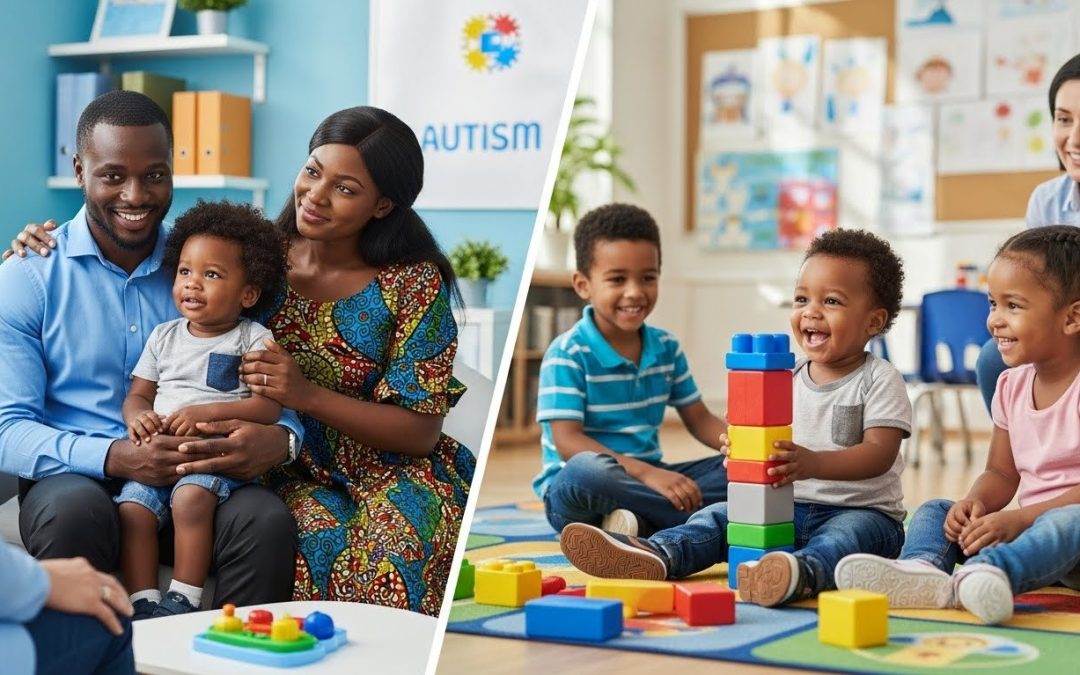
For many Nigerian families, a suggestion that a child is not developing typically can be met with denial. We may attribute it to "being a late talker" or spiritual causes. This delay, often rooted in love and protection, can unfortunately cost our children precious time.
What is Autism (ASD)?
Autism Spectrum Disorder (ASD) is not a disease or a curse. It is a neurodevelopmental condition—meaning the brain is wired differently. This can affect how a person communicates, interacts socially, and experiences the world. Think of it as a different operating system, not a faulty one. A child with autism might have intense interests, struggle with eye contact, repeat certain behaviours, or be sensitive to sounds or textures.
The Lifelong Benefits of Early Detection
Denial has consequences. Research is unanimous: early intervention is transformative. A child's brain is most adaptable in the early years. Getting support before age 3 can dramatically improve:
· Communication and Language Skills
· Social Interaction and ability to make friends
· Learning and Cognitive Abilities
· Management of Challenging Behaviours
Waiting three years, as in the case of the Nigerian mother, means missing this critical window. Embracing a diagnosis is not a label of failure; it's the key that unlocks the right support.
How to Access Early Help
· In the US/Canada: Speak to your pediatrician and request a formal developmental screening. You can also contact your state's or province's Early Intervention program directly for a free evaluation (for children 0-3). For school-aged children, your public school district is obligated to provide assessments.
· In the UK: Talk to your GP or Health Visitor. They can refer you to a community paediatrician for an assessment through the NHS.
· In Europe: Start with your family doctor or paediatrician. Each country has its own public health and early childhood support services (e.g., "Kinderarzt" in Germany, "Consultorio Familiare" in Italy).
Nigerian & Culturally Appropriate Organizations in Los Angeles:
1. The AACT Clinic (The Center for Autism & Other Neurodevelopmental Disorders): While not exclusively Nigerian, they are based in Carson, LA, and are known for culturally competent care.
2. The Color of Autism Foundation: A non-profit that caters to African American families, providing support, advocacy, and training, understanding the unique cultural stigmas.
3. Nigerian Nurses Association of Los Angeles: Can be a valuable resource for finding healthcare providers who understand the cultural context.
Our community's strength is in our unity and resilience. Let's channel that strength into early action for our children. See the diagnosis not as a stigma, but as the first step towards empowerment and a brighter future.