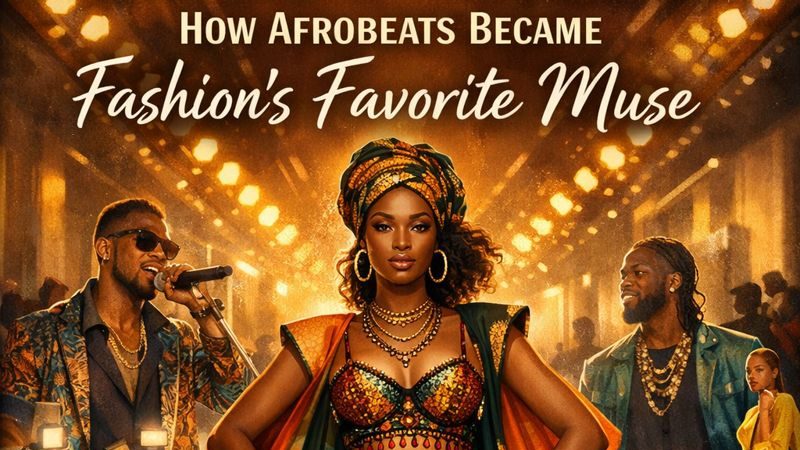
When Tems walked the 2025 Met Gala red carpet in a stunning wax print design by Ozwald Boateng, it wasn’t just a fashion moment—it was a declaration. Afrobeats isn’t merely influencing music anymore; it’s rewriting the rules of global fashion and lifestyle, and the Nigerian diaspora is both witness and architect of this transformation.
From Studio Sessions to Fashion Weeks
The relationship between Afrobeats and fashion has evolved from casual to inseparable. In October 2025, Spotify partnered with Lagos-based streetwear brand Severe Nature for a groundbreaking showcase titled “Afrobeats: Culture in Motion,” where Nigerian designers Móye Africa, I.N Official, KADIJU, and Pièce Et Patch unveiled capsule collections interpreting Afrobeats’ rhythmic energy through fabric and silhouette. The event wasn’t just about clothes—it was about translating sound into visual language.
Major luxury houses are paying attention. Wizkid fronted Dior Men’s Autumn/Winter 2023 campaign, his signature relaxed tailoring and statement jewelry perfectly aligning with the brand’s vision. Burna Boy made his runway debut at the Off White Fall/Winter 2025-2026 show during Paris Fashion Week in March. Davido walked for Puma at New York Fashion Week and later appeared at Lagos Fashion Week 2024 in a regal piece by Ugo Monye. These aren’t token appearances—they’re strategic partnerships recognizing Afrobeats artists as global style influencers.
The Aesthetic Evolution
The Afrobeats fashion aesthetic has traveled a fascinating journey. In the 1970s, Fela Kuti rejected Western fashion norms entirely, performing in vibrant ankara jumpsuits or sometimes just his underwear as acts of political resistance and cultural pride. The 1990s and early 2000s saw a hip-hop-influenced era where artists like 2face Idibia and Tony Tetuila wore Calvin Klein, Tommy Hilfiger, and Ralph Lauren to appear on par with American stars they idolized.
Today’s generation has flipped the script entirely. Artists now blend high fashion with traditional African elements, creating something distinctly their own. Think silk co-ords, crochet shirts, and jewel-toned tailoring that mirrors Afrobeats’ warmth and glamour. Brands like Louis Vuitton and Nike are collaborating with Afrobeats stars to create exclusive collections—Davido’s partnership with Puma and Burna Boy’s collaboration with Burberry exemplify this trend.
Lifestyle Beyond the Wardrobe
Afrobeats’ influence extends far beyond clothing. The genre has birthed an entire lifestyle aesthetic that’s reshaping global youth culture. From bold streetwear inspired by Lagos and Accra fashion scenes to global slang rooted in Nigerian Pidgin, the sound has evolved into a complete cultural package.
Dance trends dominating TikTok—like those inspired by CKay’s “Love Nwantiti” and Ayra Starr’s “Rush”—have propelled Afrobeats in front of global audiences, proving that language is no barrier when the rhythm is right. These viral moments aren’t just entertainment; they’re cultural exchanges happening in real-time, with millions worldwide adopting movements, phrases, and styles born in Lagos.
Why Diasporans Should Care
For Nigerians abroad, this fashion revolution carries deep significance. For years, African fashion was either exoticized or ignored by the mainstream. Now, major luxury brands are collaborating with African designers as equals, and Afrobeats superstars are launching global lifestyle brands spanning fashion, fragrances, and tech.
This shift means the rise of African-owned labels could redirect billions in revenue from Western capitals to Lagos, Accra, and beyond. It’s economic empowerment wrapped in cultural expression.
Moreover, when our artists walk major runways and front global campaigns, it changes how the world sees us. The diaspora no longer has to code-switch or downplay our heritage in professional spaces. Afrobeats has made African identity cool, aspirational, and commercially valuable. That cultural capital translates directly into how diaspora youth navigate identity—no longer through duality, but through fusion, proudly Nigerian-British, Ghanaian-American, or Afro-French all at once.
The Business of Culture
The numbers tell a compelling story. Brands like Burberry, Savage X Fenty, and Pepsi are working with Afrobeats artists, recognizing that partnering with rising stars like Davido can deliver better marketing ROI than established Western celebrities—not just because of lower costs, but because their fans are more engaged and the artists actively converse with audiences online.
Amsterdam-based Daily Paper, created by three Dutch-African creatives, has built collections steeped in African heritage while collaborating with artists like Amaarae and releasing curated playlists alongside their drops. This synergy between music, fashion, and lifestyle creates entirely new revenue streams and cultural conversations.
The Challenges We Can’t Ignore
But let’s keep it honest. As Afrobeats scales globally, there’s tension around authenticity. Will the genre’s fashion influence maintain its African identity, or will it become another homogenized trend stripped of cultural context? Some worry that major brands are profiting from African aesthetics without adequately compensating African designers or respecting cultural origins.
There’s also the infrastructure challenge. While Afrobeats artists tour globally and partner with luxury brands, many emerging African designers still struggle with access to capital, manufacturing capabilities, and distribution networks. The diaspora can play a crucial role here—by actively supporting African-owned fashion brands, attending shows, and using our platforms to amplify authentic voices.
Looking Forward
By 2030, analysts project that the Afrobeats aesthetic could position major African fashion capitals on par with Paris, Milan, and New York. The convergence of music streaming, social media, and diaspora buying power creates unprecedented opportunities.
For those of us abroad, this is our moment to participate—not just as consumers, but as cultural ambassadors. Whether it’s wearing designs by Lagos-based brands, attending Afrobeats fashion showcases in our cities, or simply understanding that when we support this movement, we’re investing in a future where African creativity doesn’t just participate in global culture but leads it.
Afrobeats proved that African sound could dominate global playlists. Now, through fashion and lifestyle, it’s proving that African aesthetics can shape how the world dresses, speaks, and expresses itself. And for the diaspora, that’s not just about style—it’s about reclaiming narrative power, one runway show at a time.
The Runway Revolution: How Afrobeats Became Fashion’s Favorite Muse