
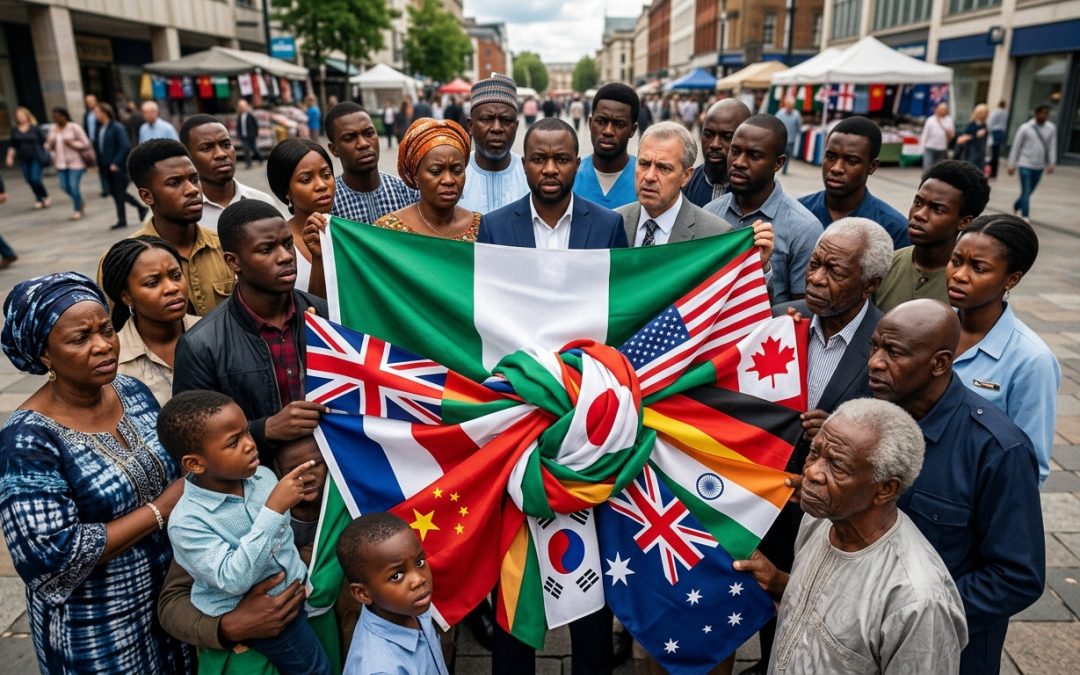
Green and white can carry two emotions at once. There is the joy of belonging: the music, the food, the familiar jokes, the pleasure of teaching a child where their name comes from. Then there is the worry that follows the celebration home—about relatives’ safety, another urgent bill, or whether returning permanently will ever feel possible.
For Nigerians in the diaspora, these feelings need not cancel each other out. Loving Nigeria while questioning its leadership is a coherent position. A country’s people, cultures and possibilities are larger than any administration.
The harder question is why belonging can demand so much while delivering so little security.
Distance has not severed the financial connection. The World Bank estimated that Nigeria received $19.5 billion in remittances in 2023. That figure measures money crossing borders; it cannot measure the sacrifices behind it. Nor should these private transfers be mistaken for approval of government performance. Supporting family is not a vote of confidence in the state. documents1.worldbank.org
There is a troubling possibility here: the diaspora’s generosity can cushion households against failures that public institutions should address. Paying a relative’s medical bill is an act of care. It should not become evidence that inadequate services are acceptable. Celebrating Nigerian resilience becomes hollow when resilience means repeatedly surviving preventable hardship.
Economic reform complicates the picture. On October 8, 2026, Reuters reported the World Bank’s forecast of average annual growth of 4.4% through 2028, conditional on sustained reforms and improved service delivery. There are grounds for hope. But forecasts are not household outcomes. The Bank’s October 2025 assessment had already warned that stabilization gains had yet to significantly improve living standards, with poverty and food insecurity remaining high. reuters.com
Security makes the emotional distance sharper. Reuters’ reporting on the June 2025 Yelwata attack in Benue documented families destroyed by violence; Amnesty International put the death toll at around 100. Such events make questions about safe homecomings inseparable from questions about state protection. reuters.com
Yet diaspora criticism also requires humility. Nigerians abroad do not share one experience, and those living at home bear the most immediate consequences of policy failure. Overseas commentary loses credibility when it romanticizes the past, reduces Nigeria to disaster, or excuses corruption when a preferred politician benefits.
A more honest patriotism allows both celebration and scrutiny. Parents can teach children Nigerian languages and traditions without teaching them to defend every government decision. Communities can applaud Nigerian achievement while asking what institutions would allow more people to succeed.
Hope becomes meaningful when attached to action: supporting credible local initiatives, transferring skills, scrutinizing public claims and listening to people doing difficult work at home. None of this requires pretending that individual generosity can replace accountable government.
Perhaps the diaspora’s complicated love affair is sustained by an unfinished expectation: that Nigeria should protect its people as fiercely as they defend its name.
You can love your country passionately and be disappointed in its leadership. Sometimes, that disappointment is the clearest expression of what you believe your country deserves.
What would Nigeria need to change for your pride in home to feel matched by confidence in its future? Share your opinion @tribesofandrew.com